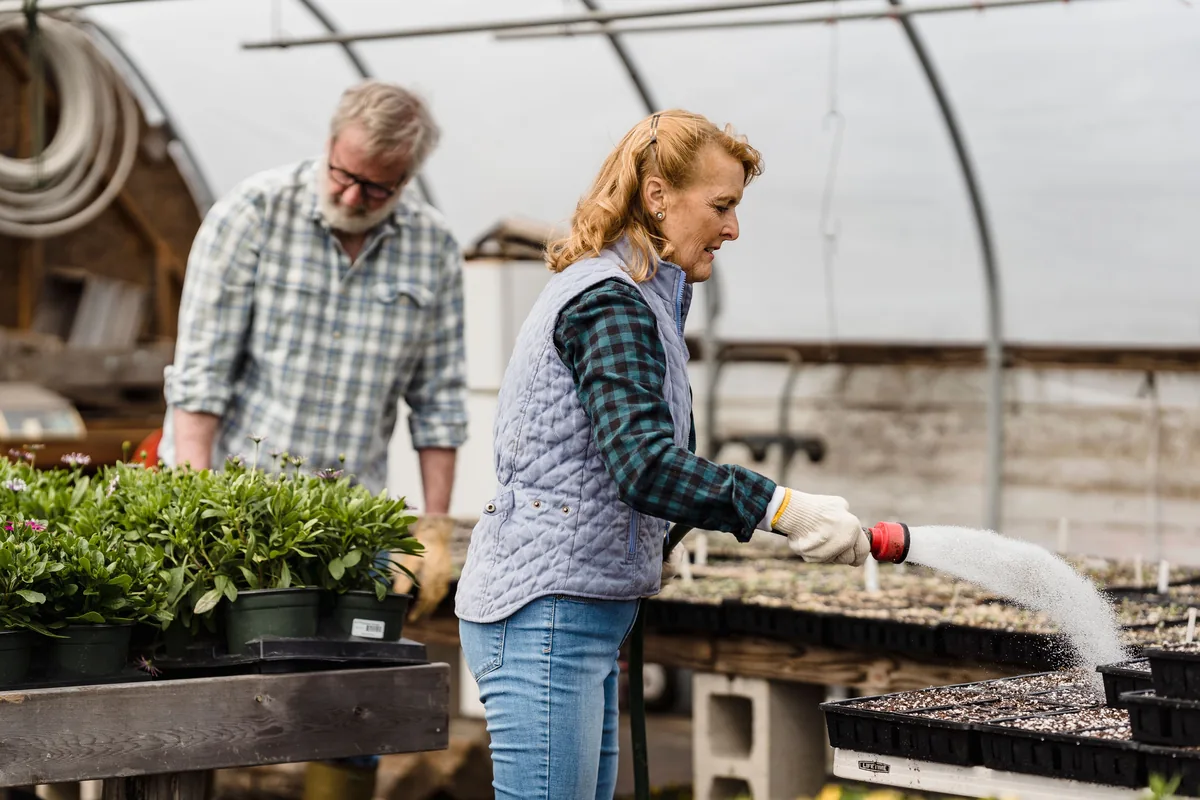
Volunteering After 60: Where to Start in the Netherlands
18 August 2026 by Luis Salas
Volunteering in the Netherlands has a long tradition, and the country has one of the highest rates of volunteer participation in Europe. For people in their 60s and beyond, it offers something that is hard to find elsewhere: structured ways to contribute, connect with others, and stay active in the community. This guide explains where to start, including practical options for English speakers and expats. 💚
1. NLvoorelkaar: the national starting point
NLvoorelkaar is the largest volunteering platform in the Netherlands, with more than 10,000 live opportunities at any time. It works as a searchable database where you can filter by location, type of activity, how often you want to volunteer (weekly, monthly, one-off), and who you would be helping.
The platform has an English section at nlvoorelkaar.nl/en/volunteering-in-the-netherlands, and a specific filter for opportunities suited to English speakers. At the time of writing, over 700 opportunities carry this flag, ranging from befriending older residents to helping at events and community gardens.
Types of roles available include companionship and buddy work, activity support, language and reading help, administrative and organisational roles, and practical tasks such as transport, gardening, and repairs. Most roles are local, but some can be done by phone or online.
Simple action: Go to nlvoorelkaar.nl, switch to English using the language menu, and search for roles near your postcode. Filter by "Geschikt voor Engelssprekenden" (suitable for English speakers) if Dutch is not yet comfortable for you.
2. Humanitas: community support across the Netherlands
Humanitas is a national welfare organisation with 78 local chapters spread across the country. Founded in 1945, it provides free support services to people who are going through a difficult period, and it relies almost entirely on volunteers to deliver them.
Volunteer roles with Humanitas include:
Buddy and befriending: Spending regular time with someone who is lonely or isolated, either through visits, phone calls, or shared activities.
Grief and loss support: Volunteers who have experienced bereavement themselves are trained to support others going through the same.
Language and integration: Helping people who have recently arrived in the Netherlands with conversation practice and everyday tasks.
Parenting support: Volunteers support families with young children who are struggling to manage.
Humanitas provides training for all roles and ongoing support from local coordinators. Many of their volunteers are in their 60s and 70s, and the organisation actively values the life experience that older volunteers bring.
Simple action: Find your nearest Humanitas chapter and current volunteer opportunities at humanitas.nl. The site has English information available under "About Humanitas".
3. Options for English speakers and expats
If your Dutch is limited or you have recently arrived in the Netherlands, there are dedicated resources that make it easier to find roles where English is sufficient.
Volunteer The Hague (volunteerthehague.nl) is an English-language platform connecting volunteers with organisations in and around Den Haag. It is specifically designed for the international community and lists roles in English from local charities, community groups, and cultural organisations.
ACCESS NL (access-nl.org) provides English-language guidance on volunteering across the Netherlands for expats. It covers how to find roles, what to expect, and which organisations are most accessible for non-Dutch speakers.
I Amsterdam (iamsterdam.com) has a voluntary work section for people based in the Amsterdam area, including English-language opportunities.
💡 Tip: Language is less of a barrier than many people expect. Roles involving practical tasks, companionship, or working with international communities often require little or no Dutch. Many organisations are also pleased to have volunteers who can support Dutch residents in learning English.
4. What to expect when you start
Unlike the UK or Ireland, the Netherlands does not have a national vetting system equivalent to Garda vetting or a DBS check. Individual organisations arrange their own screening for roles involving vulnerable people, and they will let you know what is needed when you apply.
Most organisations ask you to register and complete a short intake conversation before you are matched with a role. This helps both sides find the right fit. Training is typically provided and can range from a brief introduction to a more structured programme depending on the role.
You can start with a single commitment and see how it fits before taking on more. Many people find that one regular activity a week is enough to make a meaningful difference, both for the people they help and for their own sense of connection and purpose. 💛
For more ideas on staying active and connected in the Netherlands, see our guide to the AOW bridge for practical retirement planning help. If you are based in the UK or Ireland and looking for volunteering options there, our guide to volunteering after 60 in the UK and volunteering after 60 in Ireland cover the main organisations in each country. Browse more Una guides for plain English help with life after 60.
Get More Guides Like This
Sign up to receive helpful guides and tips delivered to your inbox.
We'll send you helpful content, never spam.