Staying Steady in Winter: Preventing Falls on Dark, Icy Days
22 September 2026 by Luis Salas
Most advice about falls is written as though the reader is frail, which is why so many people in their sixties and seventies stop reading it. This is not that. Winter does change the odds, for reasons that have nothing to do with how steady you are the rest of the year, and a few small adjustments hold those odds where they were in September. 💚
1. What actually changes in winter
Four things shift at once, and they compound.
The light goes. By late afternoon you are judging kerbs, steps and uneven paving in poor light. Depth perception is the first thing to suffer, and it suffers most on the surfaces that matter.
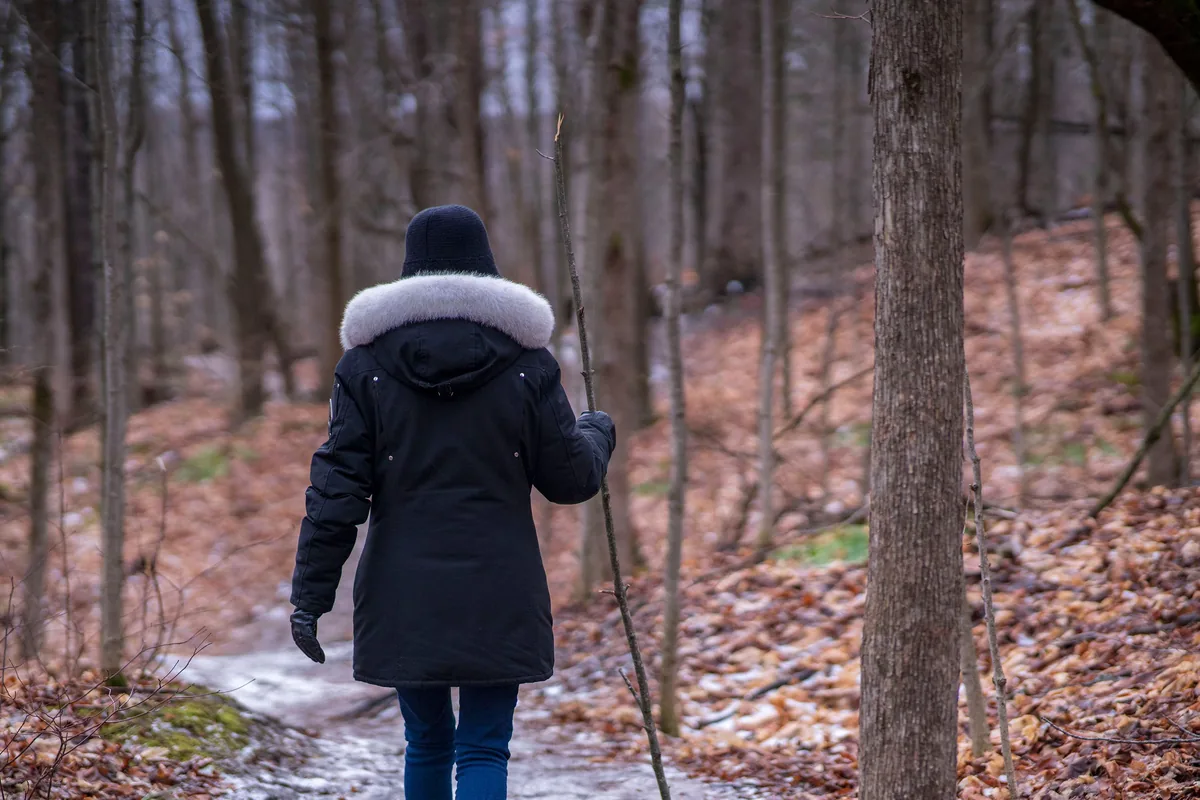
The ground changes. Ice is the obvious one, but wet leaves on a path are close behind, and both are hardest to see in exactly the conditions that produce them.
Cold muscles react slower. A stumble you would ordinarily correct without thinking takes fractionally longer to catch when you are cold and stiff. That fraction is the whole difference.
You move less. Fewer walks over three or four months means measurably less leg strength by February, which is the month people tend to notice they have become less confident.
None of that is about age. It is about circumstances, and circumstances can be arranged.
Simple action: Decide now what your winter walking looks like. Cutting outdoor walking entirely is the response that costs the most, because the strength you lose is what was keeping you steady.
2. Strength and balance, twice a week
This is the single most effective thing on the list, and the NHS is specific about the dose: stay active daily, and do activities that improve strength and balance at least twice a week.
Strength and balance work is not the same as walking. Walking is good for you and does not, on its own, do this job. What helps is anything that makes your legs work against resistance and asks your body to correct itself: sit-to-stand from a chair, heel raises at the kitchen counter, standing on one leg while the kettle boils, tai chi, or a local strength and balance class.
The kitchen counter versions matter because they need no equipment, no travel and no weather. Through December and January that is the difference between doing them and not.
💡 Tip: Attach these to something you already do. Ten heel raises while the kettle boils, twice a day, is more likely to survive a wet January than a plan to do twenty minutes of exercises after breakfast.
3. Outdoors: footwear, light and route
Footwear does more than anything else you can buy. A good grip on a proper sole is worth more than any amount of care on a slippery surface. Wellingtons and many fashionable boots have poor grip on ice, whatever they cost. If you walk in icy conditions regularly, slip-on grips that fit over your shoes are inexpensive and very effective.
Indoors, wear shoes or slippers that fit well, do not slip off and have a good grip. Backless slippers are one of the most common causes of falls at home, and they get worn far more in winter.
Give yourself light. Walk your regular routes earlier in the day where you can. Carry a small torch, or use the one on your phone. A head torch looks silly for about four seconds and solves the problem completely.
Choose the route rather than the direct line. A longer way round on a gritted, lit pavement beats a short cut across an unlit path. In freezing weather, the shaded side of a street stays icy long after the sunny side has cleared.
Simple action: Look at your shoes today, not in December. Worn-smooth soles are the thing people notice only after they have gone over.
4. Indoors, where most falls happen
It is worth saying plainly: most falls happen at home, not on the ice. Winter raises the indoor risk too.
Clutter and trip hazards. Loose wires, curled rug edges and things left on the stairs. Extra winter clutter, boots at the door, bags, blankets, all arrives in the months when the light is worst.
Rugs. Either fix them down or take them up. A rug on a polished floor is the classic.
Lighting. Landing and hallway lights matter most. A plug-in night light on the route between bedroom and bathroom costs very little and removes a risky journey.
Grab rails. In the bathroom especially, and on outside steps. There is no need to feel any way about installing one.
Cold rooms. A room cold enough to stiffen you up is a room you move less carefully in, which links back to keeping the house properly warm.
5. The three checks people skip
Your eyes. Have regular eye tests. Vision changes gradually enough that you adapt without noticing, and winter light exposes what summer light hides.
Your ears. Get your hearing checked. Ear problems affect balance directly, which surprises most people, and it is a common and fixable cause of unsteadiness.
Your medicines. Speak to a GP or pharmacist if you think your medication could be affecting your balance. Several very ordinary medicines, including some for blood pressure and sleep, can cause dizziness, and the effect can change when a dose changes or a new one is added. A medication review is free and takes one appointment.
Low blood pressure, arthritis, stroke, Parkinson's and dementia all affect balance too. If you are worried about your balance or mobility, or you have already had a fall, that is a reason to see a GP rather than something to wait out.
💡 Tip: If you have had a fall, tell someone medical even if you were not hurt. A fall is information, and one fall makes another more likely unless the cause gets found. A great many people keep it to themselves out of a worry about what it will lead to, which is the response most likely to lead somewhere.
6. If you fall and cannot get up
Worth reading before you need it.
Call for help. In the UK and Ireland that is 999, and 112 works across Ireland, the Netherlands and the rest of Europe.
While you wait, keep warm, keep moving what you can, and change position roughly every 30 minutes to protect your skin. If you can reach a blanket, a coat or a cushion, use it.
This is the argument for carrying a phone in a pocket rather than leaving it on a table, and for a personal alarm if you live alone. Not because anything is likely to happen, but because the cost of carrying one is nothing and the cost of not having it is hours on a cold floor.
None of this is about becoming careful in the way that shrinks a life. The people who stay steadiest are the ones who kept walking, kept their legs strong, and dealt with the small practical things early. Winter is four months. It is worth arranging it so you arrive at spring with the same confidence you had in the autumn. 💛
If you are worried about your balance, speak to your GP, or read the NHS guidance on falls.
For exercises you can do at home, our guide to balance and exercises to prevent falls goes through them properly. Keeping the house warm enough to move comfortably matters here too, and our guide to keeping your home warm without overspending covers doing that affordably. For the check-up that picks up several of the underlying causes, our guide to NHS Health Checks for over-60s explains what is involved. Browse more Una guides for plain English help with staying well in later life.

Get More Guides Like This
Sign up to receive helpful guides and tips delivered to your inbox.
We'll send you helpful content, never spam.