How to Keep Your Home Warm Without Overspending
17 September 2026 by Luis Salas
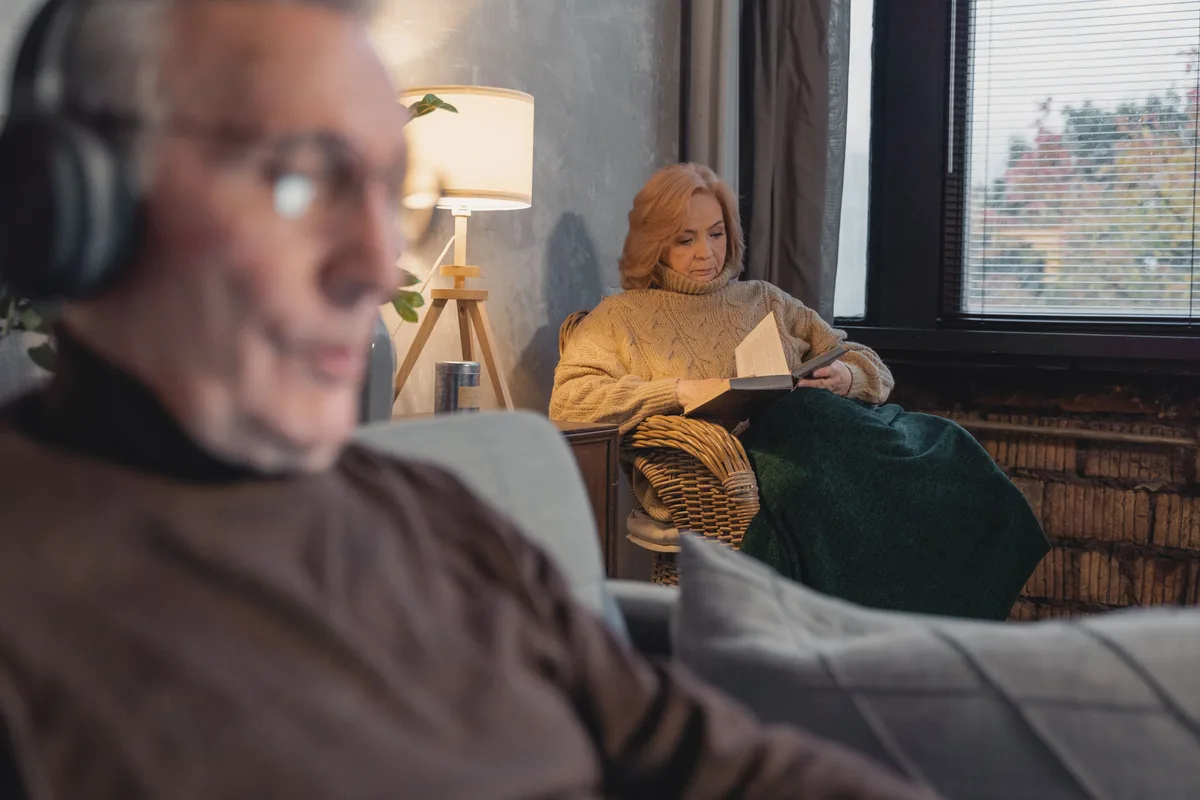
There is a particular kind of winter arithmetic that a lot of people over 60 do without ever saying it out loud: sitting in a cold room in a jumper, working out whether the heating can wait another hour. It is a quiet calculation, and it costs more than money. 💚
This is about getting the warmth you need for less, rather than about going without.
1. The number worth knowing is 18
The NHS advice is to heat the rooms you regularly use, your living room and your bedroom, to at least 18°C.
That is not a comfort target. It is a health one. Keeping warm over the winter months helps prevent colds and flu, and more serious problems including heart attacks, strokes, pneumonia and depression. Cold homes are associated with all of these, and the risk rises with age.
So the starting point is not "how low can I set it" but "18 is the floor, now how do I reach it cheaply".
If you have a health condition, this matters more rather than less.
Simple action: Put a cheap room thermometer in the room you sit in most. Most people are surprised, in one direction or the other, by what it actually reads.
2. Heat yourself before you heat the room
Warming a person costs a fraction of warming the air around them, and the effect arrives faster.
The things that work best are unglamorous. Layers of thinner clothing trap warm air better than one thick jumper. Wrist and ankle warmth matters out of proportion to the surface area, because blood runs close to the skin there. Warm feet change how warm your whole body feels, so thick socks and slippers earn their place.
A hot water bottle or a heated throw used while you sit costs very little to run compared with raising the temperature of an entire room by a couple of degrees.
Hot food and hot drinks help, and so does moving about. If you are sitting for long stretches, getting up every hour or so does more for your circulation than turning the thermostat up.
💡 Tip: A heated throw over your lap while you watch television, with the room at 18 rather than 21, is usually both warmer in practice and cheaper. The mistake is treating the thermostat as the only control you have.
3. Stop paying for heat that leaves
The cheapest warmth is the warmth you have already paid for and manage to keep.
Draughts are the first thing to deal with, and the cheapest. Letterboxes, keyholes, gaps under doors, unused chimneys, and the edges of old window frames all leak steadily. Draught excluders, brush strips and a chimney balloon cost very little and work immediately.
Curtains are more effective than people expect, especially lined ones. Close them as dusk falls rather than at bedtime, because that is when the heat starts escaping through the glass. During the day, open the ones on the sunny side and let the sun do some of the work.
Make sure curtains hang in front of the radiator rather than over it. A long curtain covering a radiator sends most of that heat straight up the window.
Radiator reflector panels behind radiators on external walls are cheap and reduce the heat that disappears into the brickwork.
Keep the bedroom window closed at night. It is a habit a lot of people keep from summer without thinking about it.
4. Use the controls you already have
Most homes have more control than the people living in them realise.
Thermostatic radiator valves let you turn down rooms you are not using. A spare bedroom does not need to be at 18. Do not turn it fully off, though, because a completely cold room can develop damp, and damp is both bad for the building and bad for your chest.
Timers are worth setting properly. Heating a home from cold twice a day is generally less efficient than keeping it steadier, particularly in a poorly insulated house. If your home holds heat badly, longer and lower usually beats short and hot.
If your boiler has a flow temperature setting and you have a condensing boiler, having it set too high can stop it running in its efficient mode. This is worth asking about when your boiler is serviced.
Simple action: Book your annual boiler service now rather than in December. Engineers are busiest exactly when a breakdown is worst, and a boiler working properly costs less to run.
5. Shrink the space, not the standard
If heating the whole house properly is out of reach, heat less of it well rather than all of it badly.
Choose one room to keep properly warm during the day, and keep the door closed. Sitting comfortably in one warm room is better for you than being mildly cold in five.
Be careful how you do this at night. Bedrooms need to stay warm too, and going to bed in a cold room is one of the situations where cold does the most harm. If you are heating one room by day, put the heating on in the bedroom for a while before you go up.
💡 Tip: If you use an electric heater in one room, a thermostatic one that switches itself off when the room reaches temperature is much cheaper to run than one that blows continuously. The cost difference over a winter is considerable.
6. There is help with the bill
Before you cut back further, check what you are entitled to. In all three of Una's markets there is support that a lot of eligible people never claim.
In the UK, the Winter Fuel Payment goes on age, the Warm Home Discount takes £150 off the electricity bill, and Cold Weather Payments arrive automatically during freezing spells.
In Ireland, the Fuel Allowance pays a weekly amount through the heating season, and applying before the season opens matters because it is not backdated.
In the Netherlands, zorgtoeslag is not a heating payment, but for many households it frees up more each month than any of the measures in this guide.
It is also worth talking to your energy supplier if you are struggling. Suppliers have hardship funds and payment plans, and they would generally rather arrange something than pursue arrears. Being on the Priority Services Register, if you are over 60 or have a health condition, brings extra protections.
Nobody should be doing sums about whether they can afford to be warm, and if that is where you find yourself this winter, the answer is far more likely to be an unclaimed payment than a colder thermostat. Start with what you are owed. 💛
If you are in the UK, our guide to the Winter Fuel Payment and our guide to the Warm Home Discount and Cold Weather Payments cover what you can claim. In Ireland, our guide to the Fuel Allowance explains the payment and why timing matters. In the Netherlands, our guide to zorgtoeslag covers the allowance most households are entitled to. For the wider question of a home that works with the season rather than against it, our guide to seasonal living is a gentler companion to this one. Browse more Una guides for plain English help with home and daily life.


Get More Guides Like This
Sign up to receive helpful guides and tips delivered to your inbox.
We'll send you helpful content, never spam.