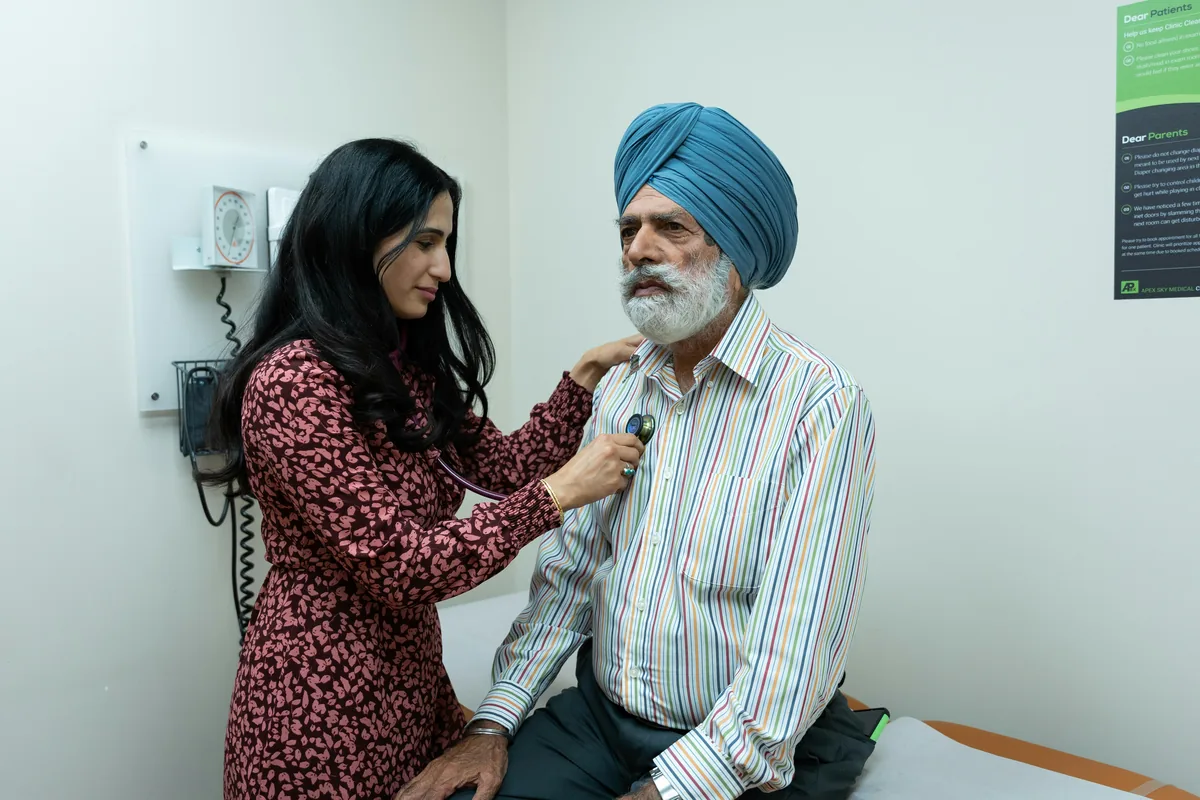
How to Apply for an Irish Medical Card
21 May 2026 by Luis Salas
Many people in Ireland are entitled to a Medical Card but never apply because the process looks complicated, or they assume their income is too high. The card covers GP visits, hospital care, and prescription medicines at no direct cost, and for anyone living on a pension or fixed income, it can save hundreds of euros every year. 💚
This guide explains who qualifies, what the card covers, and how to apply step by step.
1. What the Medical Card covers
The Medical Card is issued by the HSE (Health Service Executive) and gives you access to a wide range of health services without charge.
With a Medical Card you receive:
- GP visits at no cost
- Prescribed medicines for a small co-payment per item, up to a monthly cap
- Public hospital inpatient and outpatient care
- Basic dental, optical, and hearing services
- Maternity and infant care services
The card is linked to your PPS number and is valid for one to two years before renewal is needed.
Simple action: Check the current list of covered services and co-payment amounts on the HSE website before you apply, as these are reviewed annually.
2. Who qualifies
Eligibility depends on your age and income. There are two separate tracks.
If you are 70 or over, the income thresholds are higher and the means test is simpler. A single person qualifies if their gross weekly income from all sources is below the current threshold. A couple qualifies if their combined gross weekly income falls below a higher threshold. The HSE publishes updated figures each year at hse.ie, so check there for the amounts that apply to you.
If you are under 70, a full means test applies. The HSE looks at income from all sources, including pensions, employment, rental income, and investments, then deducts allowances for rent or mortgage payments, childcare, and travel costs to work. What remains after deductions is compared against the threshold for your household size. Many applicants find they qualify once allowances are factored in.
In both cases, the assessment is based on income, not savings or the value of your home.
💡 Tip: Income thresholds change each year and are not widely publicised. Even if you were refused in a previous year, it is worth reapplying if your circumstances have stayed the same or your income has reduced.
3. How to apply
Applications go through the HSE Primary Care Reimbursement Service (PCRS), either online or by post.
Online: Go to medicalcard.ie and select "Apply for a Medical Card". You will need your PPS number, details of all income sources, and documents to upload. The form guides you through each section and gives you a reference number on submission so you can track progress.
By post: Download the MC1 form from hse.ie, complete it by hand, attach your documents, and send it to the PCRS. The address is printed on the form.
Most people find the online route faster and easier to track. If you are not comfortable completing it online, a family member or a Citizens Information adviser can help you through it.
Simple action: Before you start, gather your PPS number, three months of bank statements, and proof of all income. Having these ready means you can complete the form in one sitting without stopping to search for documents.
4. What to include in your application
A complete application is processed faster than one that requires the PCRS to request missing information.
Include the following:
- Proof of all income: pension statements, Department of Social Protection (DSP) letters, payslips if still working
- Three months of bank statements for every account you hold
- Proof of regular outgoings you want deducted: rent receipts, mortgage statements, childcare costs
- Proof of address: a utility bill or government letter dated within the last three months
- Your PPS number and, if applying for a household, the PPS numbers of all household members
If you receive a State Pension (Contributory or Non-Contributory), include the most recent letter from the DSP showing your current payment amount.
Example: A retired person aged 74 receiving the State Pension Contributory and a small private pension should check the current over-70 income threshold at hse.ie. If their combined weekly income falls below it, they qualify for a full Medical Card, covering GP visits and hospital care at no cost.
5. If you do not qualify for a full Medical Card
If your income is above the Medical Card threshold, you may still be eligible for a GP Visit Card. This covers GP visits only, but at no charge, which is a meaningful saving if you see your GP several times a year.
The GP Visit Card has a higher income threshold than the full Medical Card. The application process is identical. Go to medicalcard.ie and select "GP Visit Card" when prompted.
If your Medical Card application is refused and you believe the assessment is wrong, you have the right to request a review. Contact the PCRS and ask them to re-examine your case, particularly if you have additional documentation or outgoings that were not captured in the original assessment.
Applying for a Medical Card takes an hour or two at most, and once approved, it is valid for up to two years before you need to renew. If you are on a fixed income and have not checked your eligibility recently, it is worth taking the time to look. 💛
Start your application today at medicalcard.ie. For more guides on health and benefits in Ireland, visit the Una guides or sign up to our newsletter to get new guides straight to your inbox.
For the rest of what you can claim in Ireland, our checklist of free benefits for over-60s covers the main entitlements, and our guide to the Irish State Pension explains how to check your record. Applying online is easier with MyGovID set up first.



Get More Guides Like This
Sign up to receive helpful guides and tips delivered to your inbox.
We'll send you helpful content, never spam.