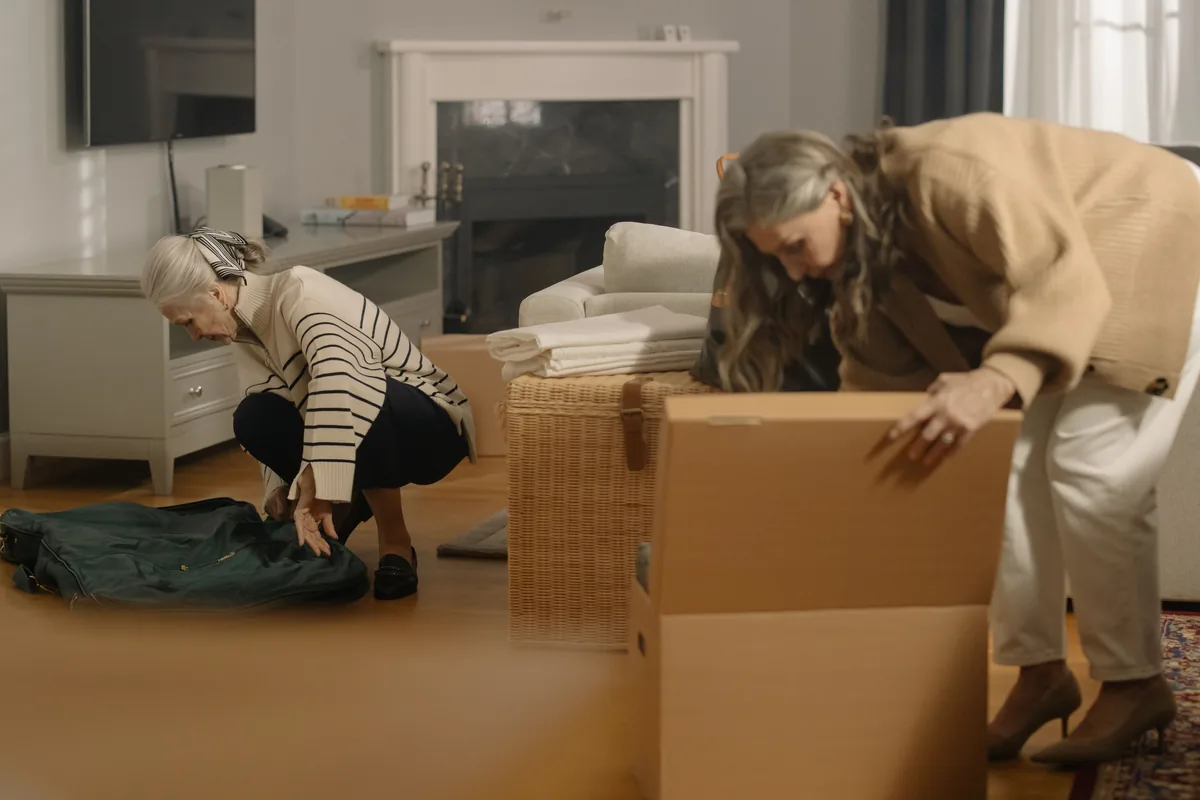
Returning to Ireland to Retire: Your Complete Checklist
25 June 2026 by Luis Salas
Coming home to Ireland after years abroad is something many people picture for years before it happens. Alongside the excitement of being closer to family and familiar places, there is a list of practical steps that make the move smoother, from sorting your pension to registering with a doctor. Getting these in order before and shortly after you arrive means you can spend less time on paperwork and more time settling in. 💚
This guide walks through the main things to organise, roughly in the order you will need them.
1. Sort your pension and PRSI record before you go
If you worked in Ireland before emigrating, you may have built up Pay Related Social Insurance (PRSI) contributions that count towards the State Pension (Contributory) once you turn 66. Contact the Department of Social Protection before you move to check your contribution record and how it fits with any contributions made abroad. Ireland has social security agreements with many countries that allow contributions from both to be combined.
If you have a state or occupational pension from the country you are leaving, contact the pension provider to confirm it can still be paid to you once you are living in Ireland. Most occupational pensions can be paid anywhere, but it is worth checking before you go so there is no gap in payments.
Simple action: Request a statement of your Irish PRSI record from the Department of Social Protection before you book your move, so you know where you stand.
2. Get your PPS number sorted as soon as you land
A Personal Public Service (PPS) number is needed for almost everything that follows: opening a bank account, registering with a GP, applying for a medical card, and signing a lease. If you previously lived and worked in Ireland, you likely already have one and do not need a new one, just your existing number.
If you do need a new PPS number, book an appointment through MyWelfare.ie with your local Intreo Centre as early as possible, since appointments often take one to two weeks. Bring your passport, proof of your Irish address (a letter from family or a landlord works for a temporary address), and your reason for needing the number, in this case returning to live in Ireland.
💡 Tip: If you cannot find your old PPS number, the Department of Social Protection can usually trace it for you, which is faster than applying for a new one.
3. Register for healthcare and a medical card
Once you have an address, register with a local GP practice. If you already know which area you will be living in, it is worth contacting practices before you arrive, as some have waiting lists for new patients.
If your income is below a certain threshold, you may qualify for a medical card, which covers GP visits and reduces the cost of prescriptions. People aged 70 and over are assessed under a higher income limit than the general population, so it is worth checking even if you would not have qualified at a younger age. Check your eligibility through HSE.ie.
Example: A medical card covers GP visits, most prescribed medicines for a small monthly charge, and a range of hospital and dental services, which can make a real difference if you are managing an ongoing condition.
4. Sort housing before you arrive
Housing is usually the biggest piece of planning. If you already own property in Ireland or have family to stay with while you look, that gives you breathing room. If not, start researching the rental market in your chosen area well before you book flights, as availability and prices vary a lot by county.
If you are an older Irish-born emigrant and are not in a position to arrange your own accommodation, Safe Home Ireland supports people exploring a return and can help with finding long-term affordable housing. They also offer advice and outreach support before and after you move.
Simple action: Get in touch with Safe Home Ireland, or start browsing rental listings for your target area a few months before your planned move, so you have a realistic sense of what is available and at what cost.
5. Bringing a car? Know the VRT and registration rules
If you plan to bring a vehicle with you, it must be registered in Ireland within 30 days of arrival, and Vehicle Registration Tax (VRT) is due unless your vehicle qualifies for an exemption as part of a permanent transfer of residence.
Before you travel, make sure you have the vehicle's registration document, the V5C if coming from the UK. Once in Ireland, book an appointment at an NCT centre to have the car inspected and registered. VRT is calculated based on the car's value, CO2 emissions, and, for some vehicles, nitrogen oxide levels, so costs vary considerably between vehicles.
💡 Tip: Check the transfer of residence exemption before you move. If you have owned and used the vehicle abroad for at least six months and meet the other conditions, you may not have to pay VRT at all, but you need to apply for the relief. It is not automatic.
6. Exchange your driving licence and open a bank account
Depending on where you are moving from, your existing driving licence may be exchangeable for an Irish one without a test, through the National Driver Licence Service (NDLS). Licences from the UK, the EU, and a number of other countries with exchange agreements qualify. If your licence is not from one of these countries, you can usually drive on it for a period after you arrive before needing to take Irish theory and practical tests.
For a bank account, most Irish banks will need your PPS number and proof of address, so this is usually one of the last items once the earlier steps are in place. Some banks let you start the application online before you arrive, which can save time once you land.
Simple action: Check the NDLS list of countries with licence exchange agreements before you travel, so you know whether you need extra documents or a theory test booked.
Settling back into life in Ireland takes time, and the paperwork is rarely the part anyone looks forward to. Working through it step by step, rather than all at once, makes it far more manageable, and most of it only needs to be done once. 💛
Once you are settled, our guide on free activities for over-60s across Ireland is a good next step for finding things to do and people to meet. If it is the UK you are moving back to rather than Ireland, we have the same checklist for returning to the UK. For more on planning life in Ireland, explore the Una guides.


Get More Guides Like This
Sign up to receive helpful guides and tips delivered to your inbox.
We'll send you helpful content, never spam.